Modern internet users expect web browsers to do far more than simply load pages. They demand high-speed navigation, strong privacy controls, built-in productivity tools, and increasingly, alignment with environmental causes. The digital market has seen a distinct shift toward software that balances day-to-day functionality with meaningful corporate social responsibility.
When analyzing wave browser reviews, it becomes clear that users are drawn to tools that integrate seamlessly into their daily workflows while making a tangible ecological impact. By combining Chromium-based performance with an active environmental mission, modern browsers are reshaping how people view their daily internet habits.
Purpose-Driven Browsing and Digital Performance
A primary factor driving interest in modern niche browsers is the integration of built-in features that traditionally required multiple third-party extensions. Users frequently look for tools that reduce memory bloat, manage tab clutter, and protect online privacy without compromising speed.
Digital workspaces are often overloaded with dozens of open tabs, active streams, and heavy web applications. Browsers engineered with dedicated memory-saving algorithms allow users to keep complex research sessions open without overwhelming system RAM.
Core Architecture and Everyday Usability
Building software on familiar frameworks ensures that web applications, extensions, and digital tools load reliably. Users transitioning between platforms appreciate intuitive setups that do not require relearning keyboard shortcuts or navigation layouts.
Beyond basic navigation, intelligent tab management systems help group related projects together. This eliminates visual noise, making it easier for students, researchers, and remote professionals to organize their daily digital tasks.
Built-in Safety and Ad Suppression
Online security remains a top concern for modern web surfers. Intrusive pop-ups and hidden tracking scripts not only compromise user privacy but also slow down page rendering significantly.
- Integrated ad blocking stops tracking scripts before they load, accelerating page load speeds.
- Memory optimization features automatically put inactive background tabs to sleep to free up system resources.
- Customizable sidebars allow instant access to essential web apps, translation tools, and notes.
- Split-screen functionality allows side-by-side document editing and web research within a single window.
Turning Everyday Searches Into Real Environmental Action
What truly sets eco-conscious browsers apart is their ability to turn everyday online behavior into real-world sustainability results. Web browsers generate revenue through search partnerships and digital advertising. By directing a portion of these proceeds toward verified global initiatives, eco-friendly platforms convert ordinary web searches into funding for environmental restoration.
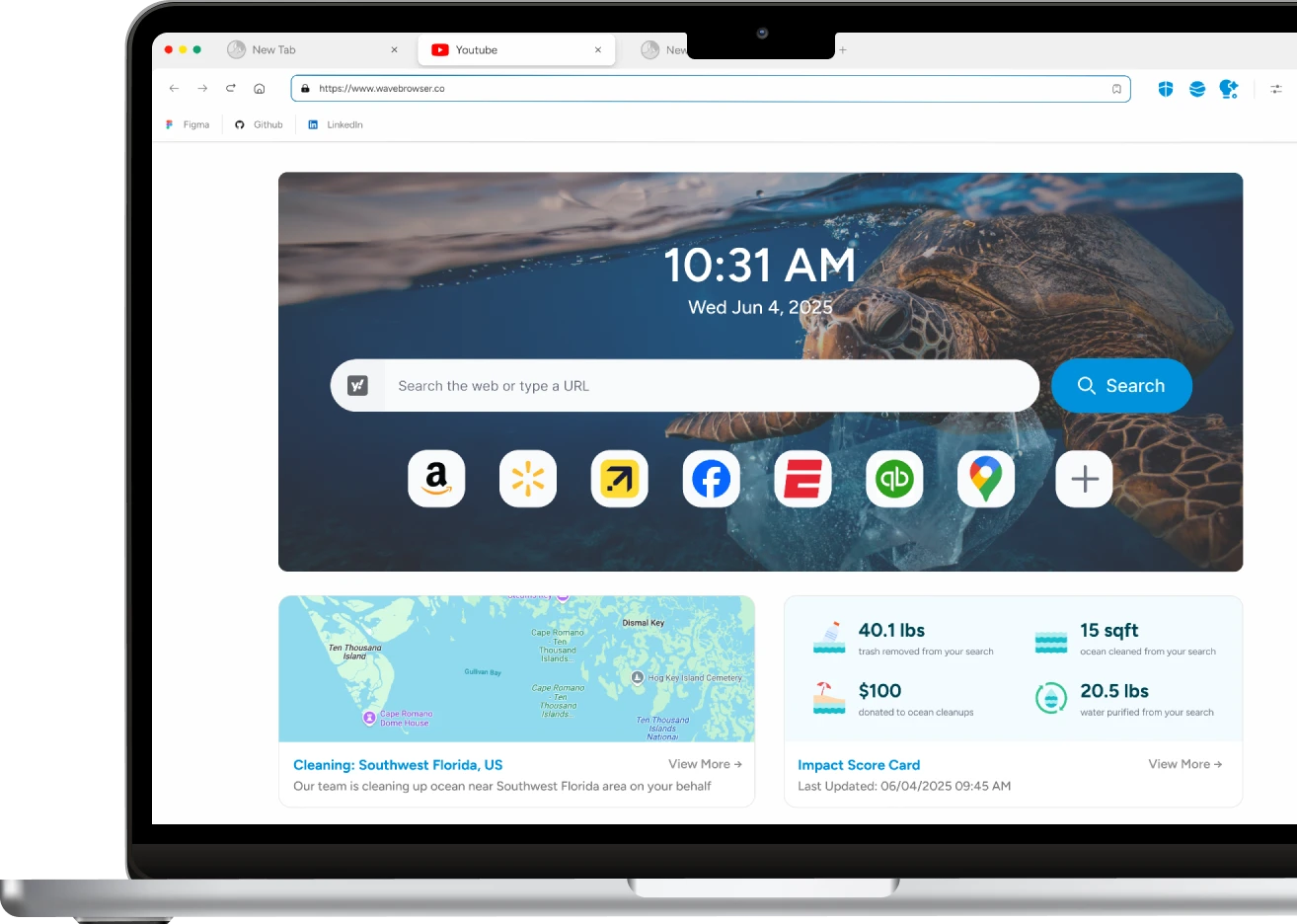
Through official partnerships with B-Corp certified organizations like 4ocean, browsing sessions directly fund the physical removal of plastic and trash from ocean waters, rivers, and coastal ecosystems worldwide. Users can track collective progress through integrated live impact displays, offering full transparency into how daily digital habits contribute to cleaner environments.
Practical Tips for Eco-Friendly Digital Habits
- Choose default software tools that actively participate in verified carbon-offset or cleanup programs.
- Use built-in tab suspension features to decrease hardware power consumption during long research sessions.
- Support transparent organizations that offer real-time tracking and verified impact reports.
- Utilize integrated privacy shields to block heavy, energy-consuming advertisement scripts.
- Consolidate web tools into single sidebar setups to streamline computing workflows and lower system resource demands.
Conclusion
The rise of eco-conscious software proves that technology and sustainability can work hand in hand. As internet users become more mindful of their digital footprint, platforms that offer fast, secure performance alongside verified environmental action provide a compelling alternative to traditional software.
Reading through community feedback highlights a growing appetite for software that simplifies daily work while serving a higher purpose. By prioritizing privacy, tab organization, and ocean cleanup, modern web tools demonstrate how simple daily habits can generate lasting global impact.
Comments
Post a Comment